
Quiet, privacy, and comfort — Engineered for real homes
If you're hearing neighbors, footsteps, traffic, or voices through shared walls or ceilings, will identify how sound is travelling and map the most effective next step BOOK A CONSULTATIONLEARN HOW SOUNDPROOFING WORKSWhat Happens in a Consultation

Describe the noise
What you hear + where it shows up.

Identify the path
Through the assembly + leaks (flanking).

Options that work
Practical scope choices – no gimmicks.

Clear next step
Scope direction first, pricing second.
Every Noise Needs a Different Approach
Echoey living room? Footsteps above? Music through the walls? Each of these noises moves differently — and each requires its own solution. Professionals don’t guess. We target.
Sound Blocking (Mass + Barrier Layers)
Dense barriers block airborne sounds like voices or TV.
Vibration Decoupling (Isolation Systems)
Isolation systems stop structure-borne noise (like footsteps).
Sound Absorption (Soft, Porous Materials)
Reduces echo and ambient room noise — often misunderstood as soundproofing.
What Do the Ratings Really Mean?
STC, IIC, and NRC describe different things — and they’re not interchangeable.
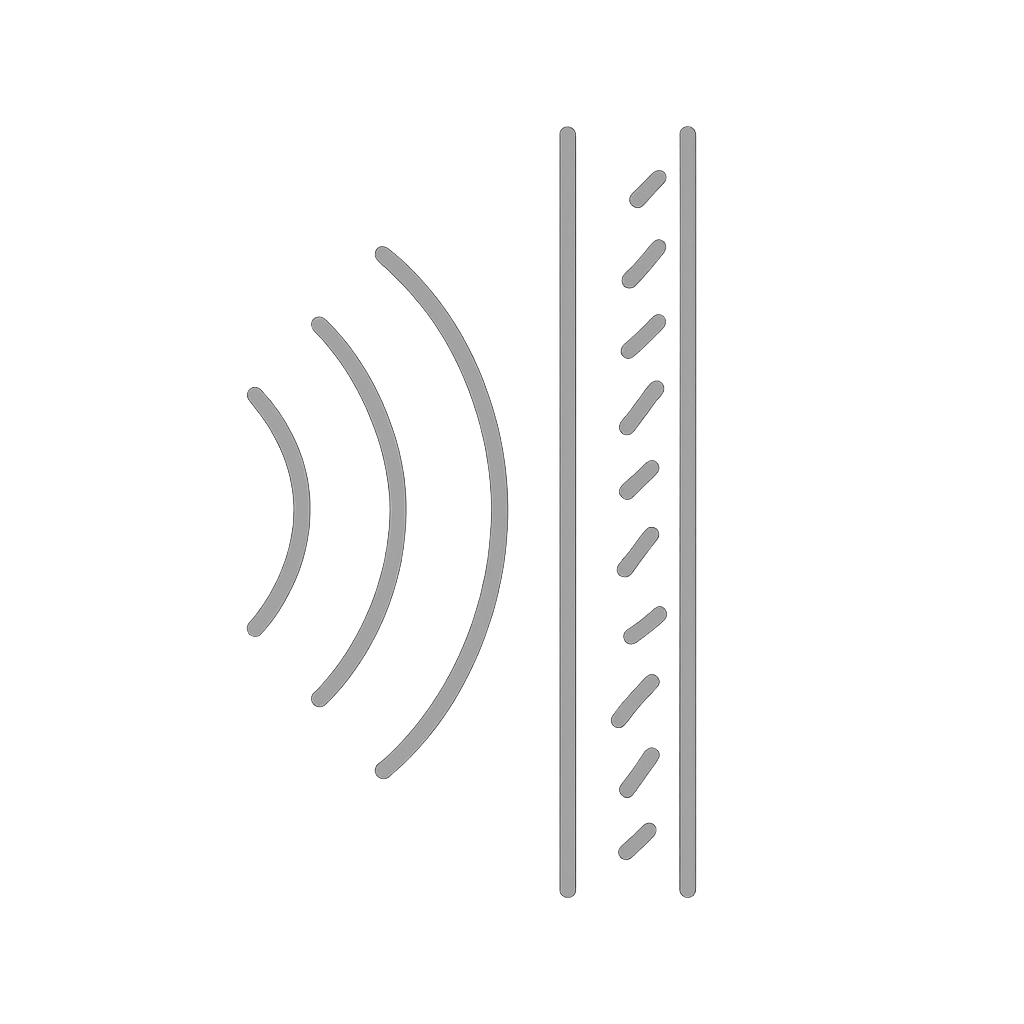
Sound Transmission Class (STC)
A numerical rating of how well a building assembly attenuates airborne sound (e.g., speech, music). Higher STC means better sound blocking resistance.

Impact Insulation Class (IIC)
Measures how well a floor-ceiling assembly’s ability to reduce impact noise (e.g., footsteps, dropped items). Higher values indicate better impact isolation.
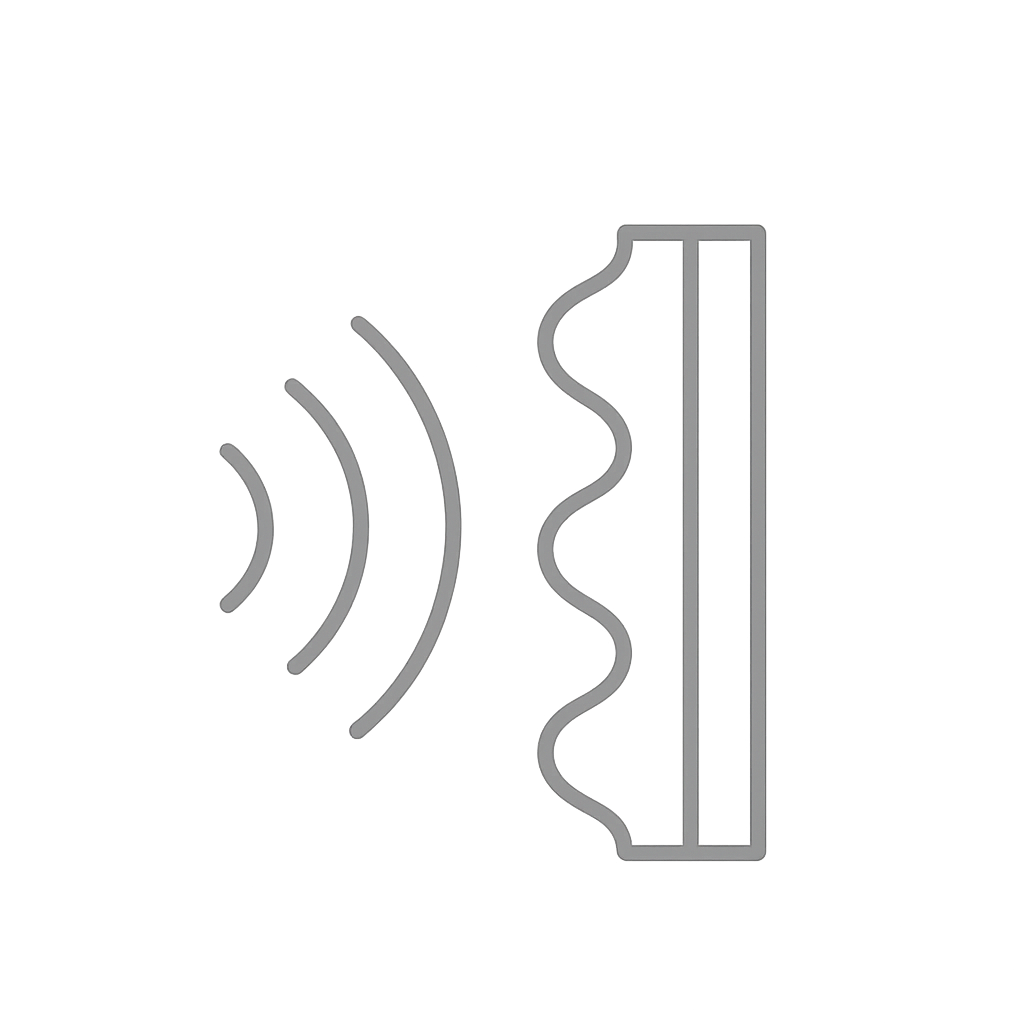
Noise Reduction Coefficient (NRC)
Rates how much sound a material absorbs, reducing echo and reverberation within a room. Values range from 0.0 (0% absorption) to 1.0 (100% absorption).
Pro tip: A high NRC panel won’t stop your neighbor’s noise — but it will make your home office less echoey.
Soundproofing isn’t a product
It’s a system
“Soundproofing panels” and quick fixes usually treat the wrong surface or noise type. Real acoustic treatment is layered, detailed, and specific to the building. Especially in condos, townhomes, and shared-wall homes.
Materials we use (and Why)
The material isn’t the solution, the assembly is. These are tools we may use depending on the noise type and the path we confirm.
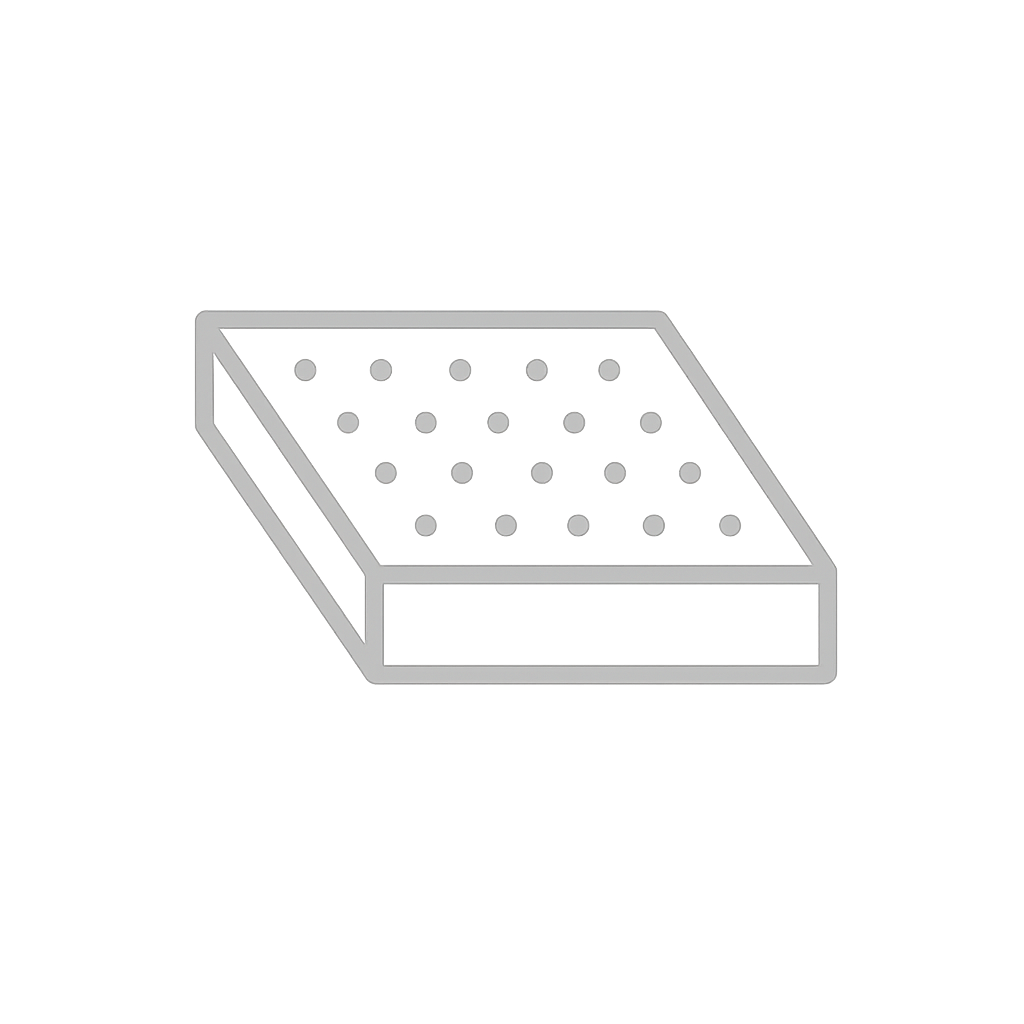
Micro-Perforated Panels (MPP)
Decorative panels with tiny holes that absorb mid to high-frequency echoes — ideal for enhancing room acoustics in home studios and theaters.

Cellulose Fiber Insulation (CFI)
Dense-packed cellulose creates an airtight barrier inside walls and ceilings, reducing airborne sound transmission and adding thermal performance.

Sound-Deadening Vinyl Pipe Wrap
A flexible vinyl + foam decoupler composite wrap used on plumbing and mechanical pipes to control noise from water, HVAC, and vibration.
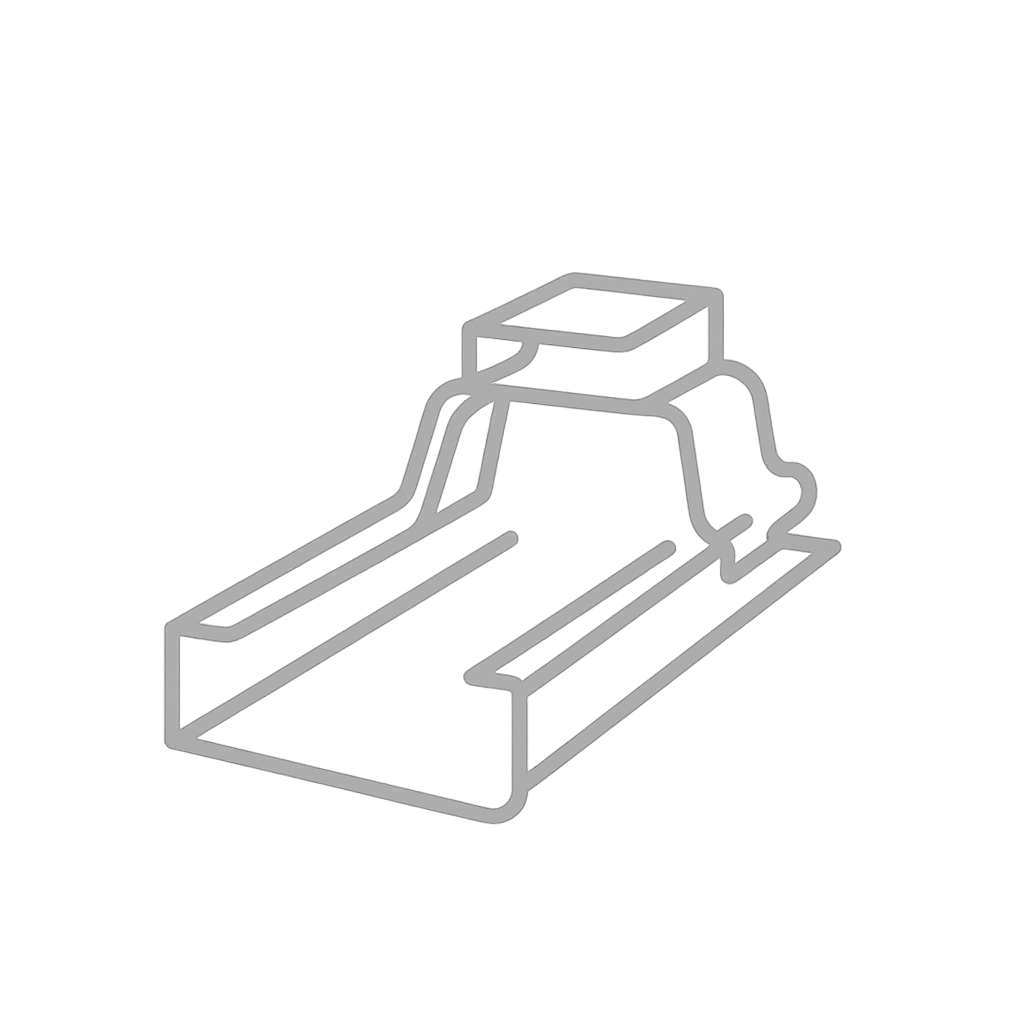
Isolation Clips & Furring Channels
These decoupling components break the vibration path, preventing impact and structure-borne noise from traveling through shared walls or ceilings.

Isolation Hanger
Ceiling-mounted rubber hangers absorb vibrations and prevent sound transfer from overhead spaces like foot traffic or mechanical noise.

Acoustic Putty Pad
Sound & Fire-rated, these flexible pads wrap behind electrical boxes to stop sound leaks and restore continuity in soundproof wall systems.

Acoustical Viscose Compound
Applied as a damping layer between drywall sheets, this viscoelastic compound absorbs vibrations and reduces resonance in wall and ceiling structures.

Acoustical Gypsum Board
A high-density acoustic drywall is designed to reduce noise transmission by boosting STC ratings when used in wall and ceiling assemblies.
Mass Loaded Vinyl (MLV)
A dense, flexible sound barrier installed inside walls, ceilings, or floors to block airborne noise from room to room or outside.
Led by Practical, Field-Tested Experience
“Every home has different weak points. Our work is guided by real site constraints, clean execution, and scope choices that makes sense — not gimmicks.”
Pascal Fontaine-Ferrand
Founder / Lead Soundproofing Specialist

SOUNDPROOFING
In reality, there’s no such thing as 100% soundproofing in the literal sense. What we actually achieve is sound attenuation: the reduction of sound transmission through walls, ceilings, and floors.
It’s a term used everywhere, but in the acoustical world, it’s technically inaccurate.
Why does this matter? Because not all noise is created equal. Some sounds are low-frequency rumbles (like traffic), others are high-pitched voices, and some are structure-borne vibrations (like footsteps). Each type of noise behaves differently — and no single product or quick-fix “soundproofing panel” handles them all.
Bold truth: Real acoustical treatment is precise, layered, and customized. Anything else is just marketing.
Can you guarantee a specific rating (STC/IIC/NRC)?
In existing homes, we can’t responsibly guarantee a specific STC/IIC/NRC number without confirming the full assembly and the flanking paths, and even then, real-world conditions vary. What we can do is recommend a assessment-driven approach, define realistic, targets, and design the scope around how sound is actually travelling in your space. For new build, lab tested assemblies, can guide the design, but field results still depend on detailing and execution.
Serving Calgary and surrounding areas
We operate as a service-area business in Calgary. If you’re dealing with shared wall noise, condo transfer, or speech privacy issues at work, start with a consultation so we can confirm the right scope for your space.
Not sure if you’re in range? Send your postal code and will confirm quickly.