Techniques for Soundproofing
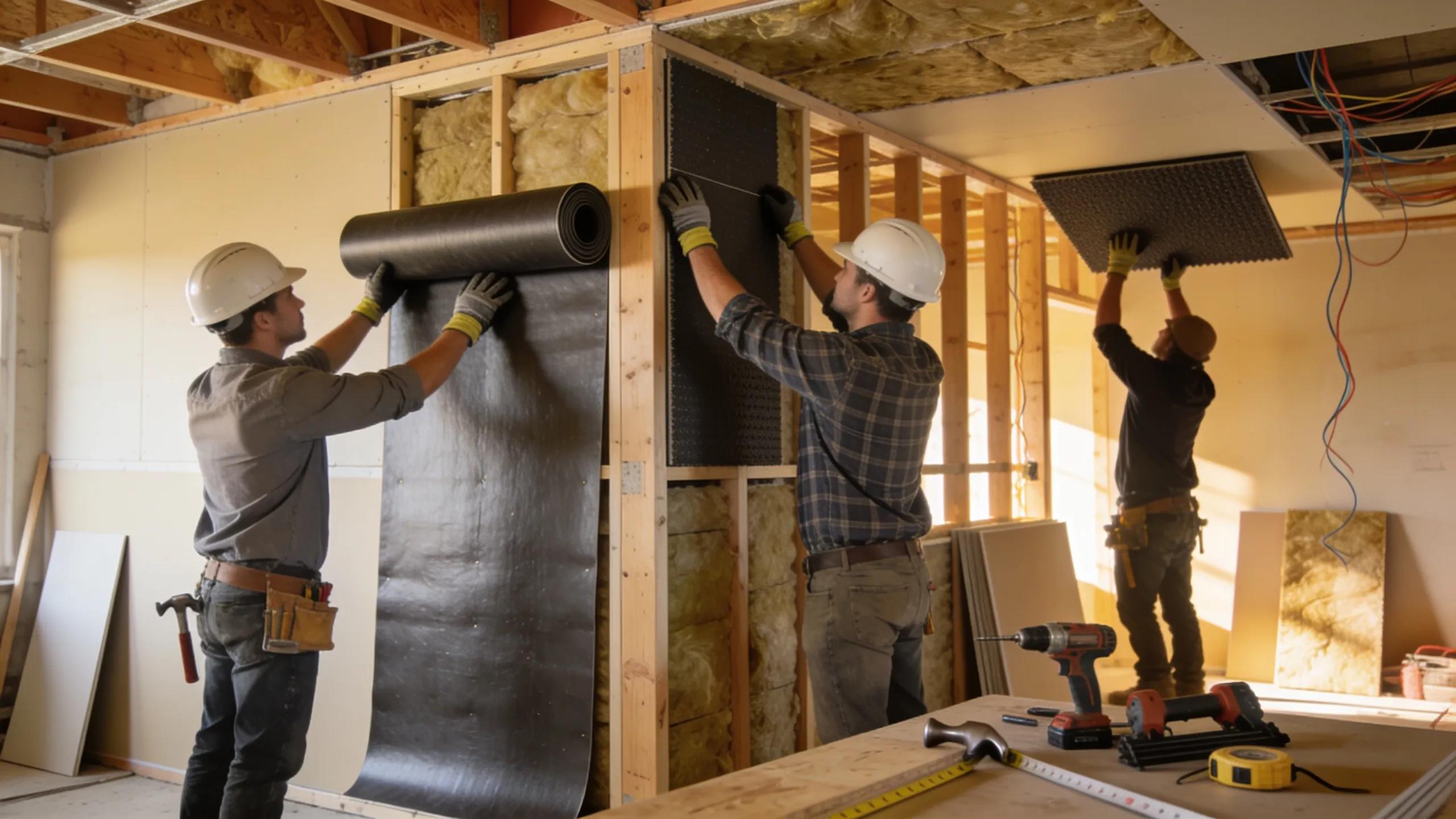
- Mass Addition: Adding mass to walls, ceilings, and floors, using materials such as mass loaded vinyl or soundproof drywall, to block sound transmission effectively.
- Decoupling: Employing resilient channels or isolation clips to separate wall layers, which interrupts sound pathways.
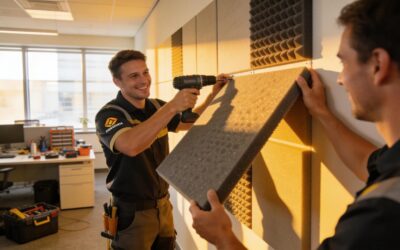
- Absorption: Using acoustic panels and insulation to dissipate sound energy within a space, minimizing reverberation and echo.
- Damping: Applying specialized compounds that reduce vibrations and sound transmission through the structural elements of a building.
Materials for Soundproofing
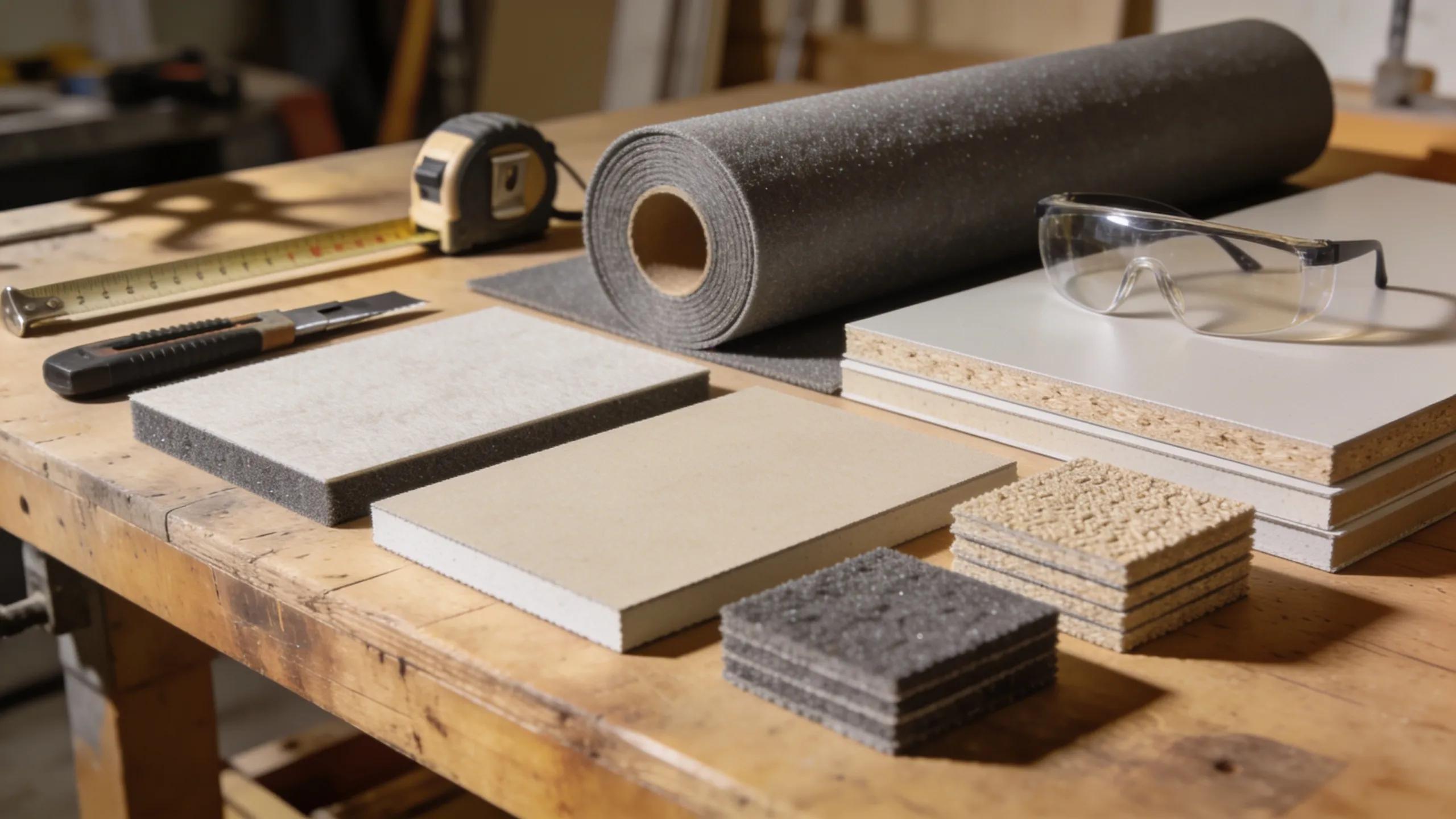
- Mass Loaded Vinyl (MLV): A dense, flexible material that adds mass and blocks noise transmission.
- Acoustic Panels: Designed to absorb sound, these panels help reduce echoes and improve overall acoustics.
- Fiberglass Insulation: Not only serves thermal purposes but also helps dampen sound transmission between rooms.
- Soundproof Drywall: An enhanced version of regular drywall that incorporates sound-dampening properties for better noise control.
Recommended Service Providers
- Inaudible Inc.- Phone: (416) 466-1476- Email: info@inaudible.ca- Expertise: Innovative soundproofing techniques for both residential and commercial spaces. Inaudible Inc.
- Soundproofing Solutions- Services: Custom installation of sound barriers and acoustic treatments.
Benefits of Professional Soundproofing
- Increased Property Value: Improved acoustics can raise property appeal, making homes and offices more attractive on the real estate market.
- Enhanced Quality of Life: Creating quieter environments contributes to better mental health, improving focus and reducing stress.
- Improved Productivity: For businesses, reducing noise distractions translates into higher employee performance and satisfaction.
What Are Effective Home Soundproofing Solutions in Toronto?
- Soundproof Windows: Double or triple-glazed windows significantly reduce outside noise, improving indoor comfort.
- Door Seals: Installing weather stripping around doors can minimize sound leaks.
- Rugs and Carpets: Soft flooring materials can absorb sound, reducing overall noise levels inside the home.
Noise Exposure & Acoustic Comfort in Multi-Unit Residential Buildings There is limited research on noise exposure in multi-unit residential buildings (MURBs) despite the proven effects of noise on people’s physical and psychological health. This motivates the current study which aims to identify important noise sources in MURBs and investigate factors that impact acoustic comfort as well as determine the various impacts of noise on occupants. A survey of factors that impact noise exposure and acoustic comfort in multi-unit residential buildings, M Andargie, 2020
How Do Acoustic Panels and Sound Insulation Improve Residential Noise Control?
- Acoustic Panels absorb sound waves, effectively reducing echoes and improving sound clarity in rooms.
- Insulation helps prevent sound from travelling between rooms, creating distinct audio zones conducive to privacy.
Which Soundproofing Methods Best Enhance Peace and Privacy at Home?
- Soundproofing Barriers: Installing resilient channels can create a barrier that prevents sound from travelling through walls.
- Floors and Ceilings Treatments: Adding soundproofing underlayments helps reduce noise transmission in multi-level homes.
- Soft Furnishings: Strategically placed furniture and curtains can also help absorb sound, making spaces more inviting.
How Can Businesses Benefit from Office Noise Reduction Services?
- Minimized Distractions: Soundproofing reduces background noise, helping employees focus better and achieve higher work quality.
- Enhanced Client Experience: Quieter environments promote professionalism and improve client interactions.
- Reduced Employee Turnover: Investing in office acoustics can lead to happier employees, decreasing the likelihood of turnover.
What Are the Key Soundproofing Products for Commercial Buildings in Toronto?
- Acoustic Tiles: Useful for ceilings in open office layouts to reduce sound reverberation.
- Mass Loaded Vinyl: Can be effectively used in walls to add density and block noise.
- Soundproofing Paint: This specialty paint can help in reducing sound transmission through walls.
How Do Professional Installations Ensure Effective Commercial Noise Mitigation?
- Adherence to best practices for material application.
- Use of specialized equipment for acoustic testing.
- Comprehensive assessments before and after installation to gauge effectiveness.
Which Are the Best Soundproofing Materials for Toronto’s Unique Needs?
- Wood Floors with Soundproof Padding: Reduce noise impact from foot traffic.
- High-Performance Windows: Designed to block external noise, vital for homes near busy streets.
- Specialized Insulation: Helps combat both temperature extremes and sound, ideal for buildings in varying climate conditions.
What Are the Sound Transmission Class Ratings that Guide Material Selection?
- Rating 30-35: Standard construction but generally inadequate for noise-sensitive environments.
- Rating 45-50: Suitable for residential units or quiet offices.
- Rating 55 and above: Ideal for recording studios and commercial facilities requiring substantial sound isolation.
How Do Acoustic Insulation and Noise Reduction Barriers Compare Across Applications?
- Acoustic Insulation is effective for absorbing sound at source points, ideal for residential applications.
- Noise Reduction Barriers focus on blocking sound transmission, making them suitable for commercial settings or outdoor noise control.
Why Choose Trusted Sound Insulation Contractors for Affordable Soundproofing in Toronto?
- Expert Evaluation: Professionals provide tailored assessments of noise issues and solutions.
- Quality Assurance: Licensed contractors ensure materials used meet industry standards and project requirements.
- Long-term Savings: Professional installations are likely to last longer, reducing future costs associated with repairs or replacements.
What Service Guarantees and Client Testimonials Build Confidence in Our Expertise?
- Work quality and materials used
- Follow-up services in case of performance issues
How Can Clients Request Transparent Quotes and Professional Consultations?
- Initial Contact: Reach out via phone or email, providing details about the space needing soundproofing.
- Site Assessment: Professionals may conduct a visit to understand the noise issues and evaluate options.
- Quote Presentation: Clients will receive a detailed breakdown of potential costs and recommendations for the soundproofing project.