SOUNDPROOFING FOR SHARED COMMERCIAL PROPERTIES
Commercial Unit Soundproofing in Toronto
Your Business. Your Space. Less Noise Between Neighbours.
Operating a business in a shared building comes with acoustic challenges. Whether noise is travelling from your premises into neighbouring units or interfering with your own operations, the right soundproofing solution can make a meaningful difference.
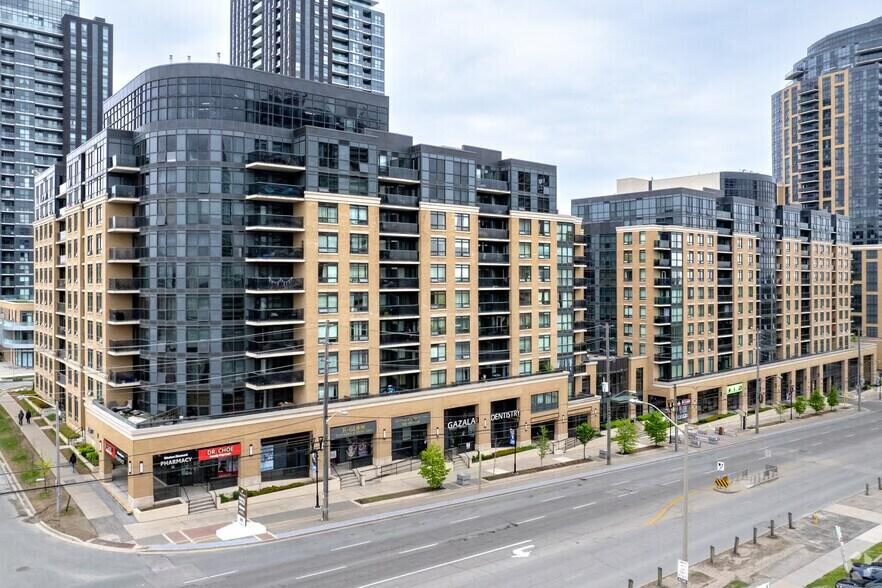
Inaudible provides professional commercial unit soundproofing for retail stores, restaurants, fitness studios and service businesses across Toronto and the GTHA.
From targeted acoustic retrofits to comprehensive wall and ceiling isolation, we help businesses improve sound separation while considering their operational and construction requirements.
SOUNDPROOFING BUILT FOR YOUR BUSINESS
Different Businesses. Different Acoustic Challenges.
Every business generates and experiences noise differently. The activities within your premises, neighbouring occupancies and existing building construction all influence the soundproofing solutions you may need.
Retail & Service Businesses
Retail stores, salons, spas, showrooms and other service businesses often operate alongside neighbouring commercial tenants.
Shared-wall soundproofing can help reduce unwanted conversations, music and operational noise travelling between commercial units.
Restaurants, Cafés & Food Service
Busy dining areas, commercial kitchens, music and equipment can generate noise that affects neighbouring businesses and residential occupants.
Restaurant soundproofing and complementary acoustic treatment can address sound transmission while improving the dining environment.

Gyms, Fitness & Recreational Studios
Fitness studios, gyms, dance schools and recreational businesses can generate significant impact noise, amplified sound and structural vibration.
These environments may require more advanced acoustic isolation systems suited to the activities taking place.
Businesses Below Residential Units
Commercial tenants operating beneath apartments or condominiums face the additional challenge of maintaining acoustic separation between business operations and residential living spaces.
Ceiling isolation, shared-wall treatments and attention to connected sound paths can help address noise transmission in mixed-use buildings.
Noise Between Commercial Units
Music, conversations, equipment and everyday business activities can travel through shared demising walls, suspended ceilings and connected building cavities.
Impact Noise & Structural Vibration
Fitness activities, dropped weights, mechanical equipment and other physical impacts can introduce vibration into connected structural elements. These concerns often require more than conventional acoustic insulation.
Noise Travelling Into Residential Units
Businesses located beneath apartments or condominiums may experience complaints related to amplified sound, equipment, customer activity and vibration travelling through the floor-ceiling structure.
Excessive Echo & Reverberation
Hard surfaces in restaurants, retail spaces and fitness studios can contribute to uncomfortable noise levels within the premises. Acoustic treatment helps manage reflections and reverberation, while soundproofing addresses transmission between spaces.
UNDERSTANDING SOUND TRANSMISSION
When Noise Doesn’t Stay Within Your Commercial Unit
Commercial premises may be physically separated without providing adequate acoustic isolation. Understanding where sound originates and how it travels through the building is essential to selecting the appropriate solution.
We select acoustic solutions based on the nature of your business, the existing construction and the type of sound transmission affecting your premises.
Some businesses require targeted improvements. Others need a coordinated acoustic system addressing multiple surfaces and transmission paths.
PROFESSIONAL ACOUSTIC SYSTEMS
Soundproofing Solutions for Commercial Spaces
Commercial Demising Wall Soundproofing
Improve acoustic separation between neighbouring businesses through suitable cavity treatments, additional mass, damping materials and isolated wall assemblies.
Commercial Ceiling Sound Isolation
Address unwanted sound travelling between commercial and residential occupancies through appropriate ceiling assemblies, isolation clips, furring channels and acoustic hangers.
Targeted Acoustic Retrofits
Where existing construction permits, Dense-Fill cellulose, acoustic sealing, door upgrades and duct sound-control treatments can help improve isolation without unnecessary reconstruction.
Professional Acoustic Treatment
Decorative acoustic wall panels, ceiling baffles and suspended acoustic elements can help control reverberation and improve sound clarity within restaurants, retail environments and other commercial spaces.
Planning a Commercial Fit-Out or Renovation
Opening a restaurant, gym, retail store or service business in a shared building? Incorporating acoustic isolation into your commercial fit-out can help address potential sound transmission problems before walls and ceilings are finished.
Early planning provides greater flexibility for selecting wall assemblies, ceiling isolation systems and acoustic details.

Already Operating or Preparing to Open?
Address Noise Complaints Without Overlooking Your Operations
For an operating business, soundproofing starts with understanding where noise enters or leaves the premises and how the existing building is constructed. Options may include upgrading a shared wall, installing ceiling isolation or sealing connected sound paths. We consider finished surfaces, access, operating hours and the construction each option requires, then recommend a practical retrofit scope that addresses the source of transmission while limiting avoidable disruption.
Build Sound Control Into Your Commercial Fit-Out
Step 1
Identify noise sources, neighbouring occupancies and potential sound paths before finalizing plans for your restaurant, gym, retail store or other shared-building space.
Step 2
Select appropriate wall assemblies, ceiling isolation and acoustic details while framing and construction plans are still flexible.
Step 3
Coordinate installation with your fit-out team before finishes go in, reducing the need for disruptive retrofits later.
ACOUSTICAL CONTRACTING WITH YOUR BUSINESS IN MIND
Protect the Environment Your Business Depends On
Inaudible is a soundproofing and acoustical contracting company serving the greater Toronto and Hamilton area GTHA. Our work across residential, commercial and new construction projects has shaped a practical approach to protecting the privacy, comfort and functionality of shared spaces. For commercial clients, we assess business activities, existing construction and surrounding occupancies before recommending acoustic assemblies. We plan installations around access, operating hours and finished surfaces, and coordinate the proposed scope with landlords, property managers and construction teams when needed. Our aim is to address sound transmission at its source while helping businesses remain workable for everyone who shares the building.
Commercial Unit Soundproofing FAQs
How can I reduce noise between two commercial units?
Shared-wall soundproofing may involve acoustic cavity insulation, additional mass, decoupled wall assemblies and sealing connected sound paths.
The appropriate solution depends on the existing demising wall, ceiling construction and type of noise.
Can soundproofing reduce noise and vibration from a gym?
Suitable acoustic isolation systems can help address amplified music, impact noise and structural vibration.
Gyms and fitness studios often require more comprehensive solutions than quieter commercial environments, particularly when residential units are nearby.
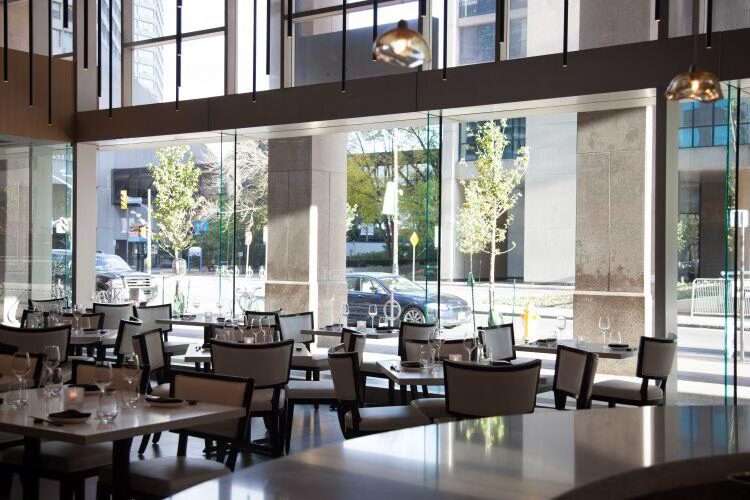
Can you soundproof a restaurant located below apartments?
Yes. Depending on the building construction, ceiling isolation, wall treatments and targeted acoustic improvements may help reduce sound transmission into residential units above.
Kitchen equipment and mechanical vibration may require additional specialist coordination.
What is the difference between restaurant soundproofing and acoustic treatment?
Soundproofing reduces sound transmission between the restaurant and neighbouring spaces.
Acoustic treatment manages echo and reverberation within the restaurant, helping improve speech clarity and the dining experience.
Some restaurants benefit from both.
Can commercial soundproofing be installed while my business remains open?
Certain acoustic retrofits may be coordinated around business operations. More extensive wall or ceiling installations may require temporary closures or restricted access to specific areas.
Installation requirements are discussed before work begins.
Do I need my commercial landlord's approval before soundproofing?
Depending on your lease and the proposed construction, landlord or property management approval may be required, particularly when modifying shared walls, ceilings or building systems.
We can help clarify the proposed installation scope for review by the appropriate property representatives.
How much does commercial unit soundproofing cost?
Costs depend on the size of the premises, existing construction, noise concerns and the acoustic systems required.
A targeted shared-wall retrofit has a different scope from a comprehensive ceiling isolation system for a restaurant or fitness studio.
An initial consultation helps establish the appropriate direction.
SOUND CONTROL FOR YOUR BUSINESS
Create a Commercial Space That Works Better for Everyone
Whether you’re opening a new business, addressing complaints from neighbouring occupants or improving the acoustic environment of your existing premises, Inaudible can help you explore the right soundproofing solutions.