
COMMERCIAL PROPERTY & FACILITY MANAGEMENT
Soundproofing for Property Managers in Toronto
Recurring Noise Complaints Deserve More Than Temporary Fixes.
Managing a property means balancing tenant concerns, building operations, maintenance priorities and project budgets. When unwanted noise becomes a recurring complaint, identifying the right solution can be challenging.
Inaudible provides professional soundproofing for property managers, facility managers and building owners across Toronto and the GTHA.
From occupied apartment buildings and condominium properties to commercial and mixed-use facilities, we assess sound transmission concerns and install acoustic solutions suited to the building’s construction, operating requirements and project scope.
SOLUTIONS FOR PROFESSIONAL BUILDING MANAGEMENT
Soundproofing for the Buildings You Manage
Different property types present different acoustic challenges. We work with the people responsible for maintaining functional, comfortable spaces and coordinating improvements when noise becomes a building concern. Whether you oversee one building or several properties, our role is to provide practical acoustic contracting expertise—not general property management services.

Property Management Companies
For professionals managing apartment buildings, rental portfolios, condominium properties and commercial facilities.
Recurring complaints about voices, footsteps, shared walls or building equipment may require more than routine maintenance.
We help identify practical acoustic retrofit options while considering occupancy, access requirements and the scope of construction.

Facility Managers & Building Operators
For teams responsible for building operations, maintenance and occupant comfort in commercial and institutional facilities.
Noise from equipment, mechanical spaces, shared work areas and adjoining occupancies may affect how the building functions.
We assess the relevant sound transmission paths and identify construction-based improvements within our specialty.

Condo Corporations & Building Owners
For condominium managers, board representatives and building owners coordinating responses to noise concerns.
Projects may involve common areas, shared building elements, mechanical spaces or sound transmission between residential units.
We provide contractor-led assessments and installation recommendations that can support an informed scope review and approval process.
UNDERSTANDING THE NOISE PATH
When Noise Complaints Point to the Building Itself
Some complaints arise from activities within a unit. Others involve weaknesses in the walls, ceilings, doors or connected building systems.
Before recommending soundproofing, it’s important to understand how the noise reaches the affected space.
A successful acoustic retrofit starts by identifying the likely transmission path and selecting the appropriate level of intervention.
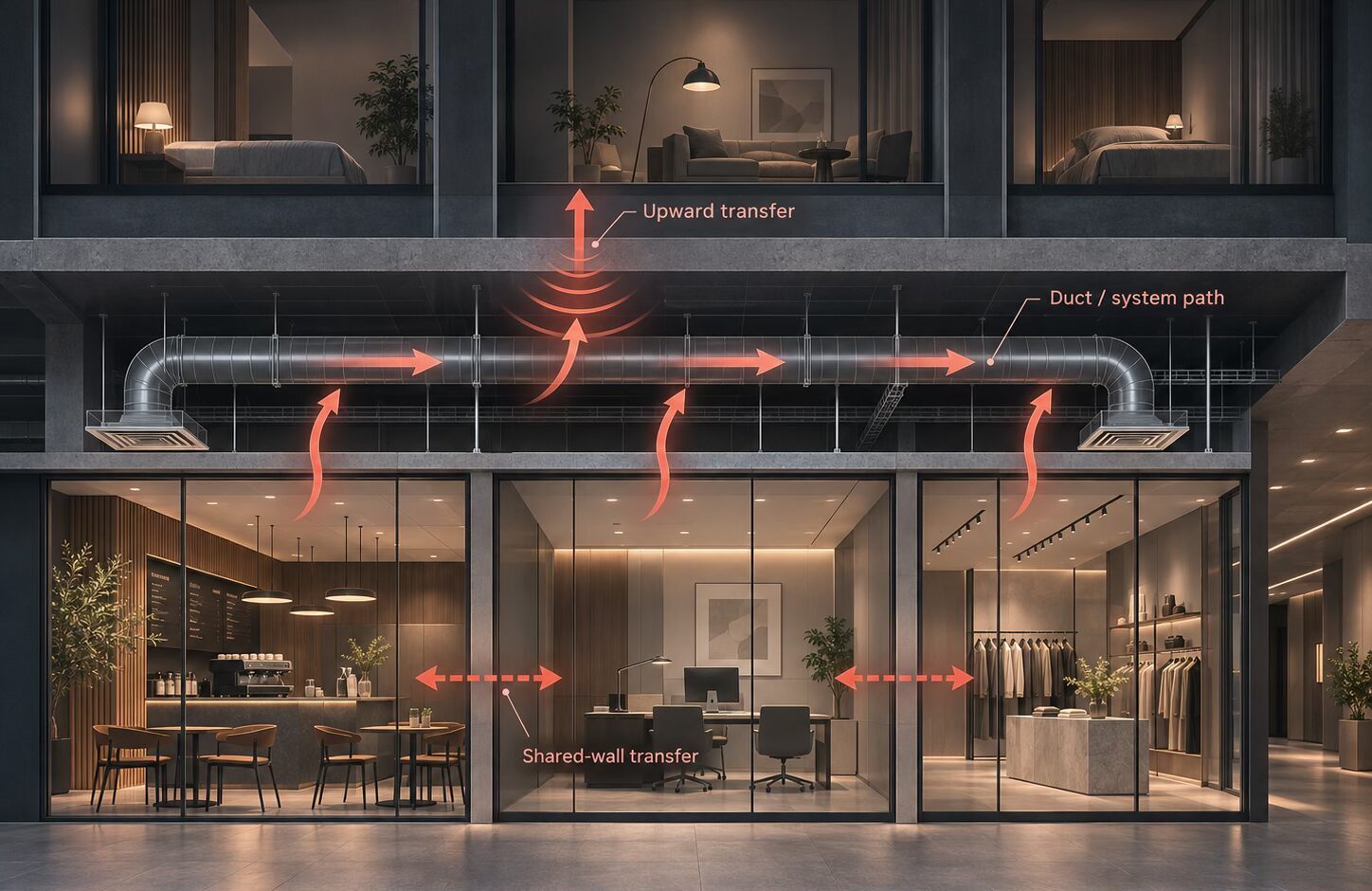
Noise Between Apartments & Units
Voices, television, music and everyday activity can travel through shared walls, floor-ceiling assemblies and connected construction. In multi-unit buildings, the appropriate treatment depends on the existing separation and the paths involved.
Footsteps & Overhead Impact
Walking, furniture movement and other floor impacts can introduce vibration into structural assemblies. Where impact transmission is significant, cavity insulation alone may not provide sufficient improvement.
Mechanical Equipment & Building Systems
HVAC equipment, pumps, ductwork and other building systems can introduce airborne noise or structure-borne vibration. Some concerns can be addressed through acoustic isolation or enclosure improvements; others require mechanical servicing or specialist vibration-control work.
Common Areas & Shared Spaces
Corridors, amenity rooms, meeting spaces and other common areas may create unwanted sound transmission or excessive reverberation. The solution depends on whether the concern is sound travelling between spaces or acoustic conditions within the room itself.
PRACTICAL ACOUSTIC RETROFITS
Soundproofing Solutions for Existing Buildings
Many managed properties are fully operational when noise concerns arise. We consider existing finishes, access constraints and the type of sound transmission before recommending construction.
Not every complaint requires major reconstruction. Where suitable, lower-disruption solutions may help improve sound control while preserving existing building finishes.

Wall Soundproofing
Improve acoustic separation between adjoining units, commercial spaces and shared building areas. Depending on the existing construction, solutions may include cavity treatment, added mass, damping materials, isolation systems and detailed sealing.
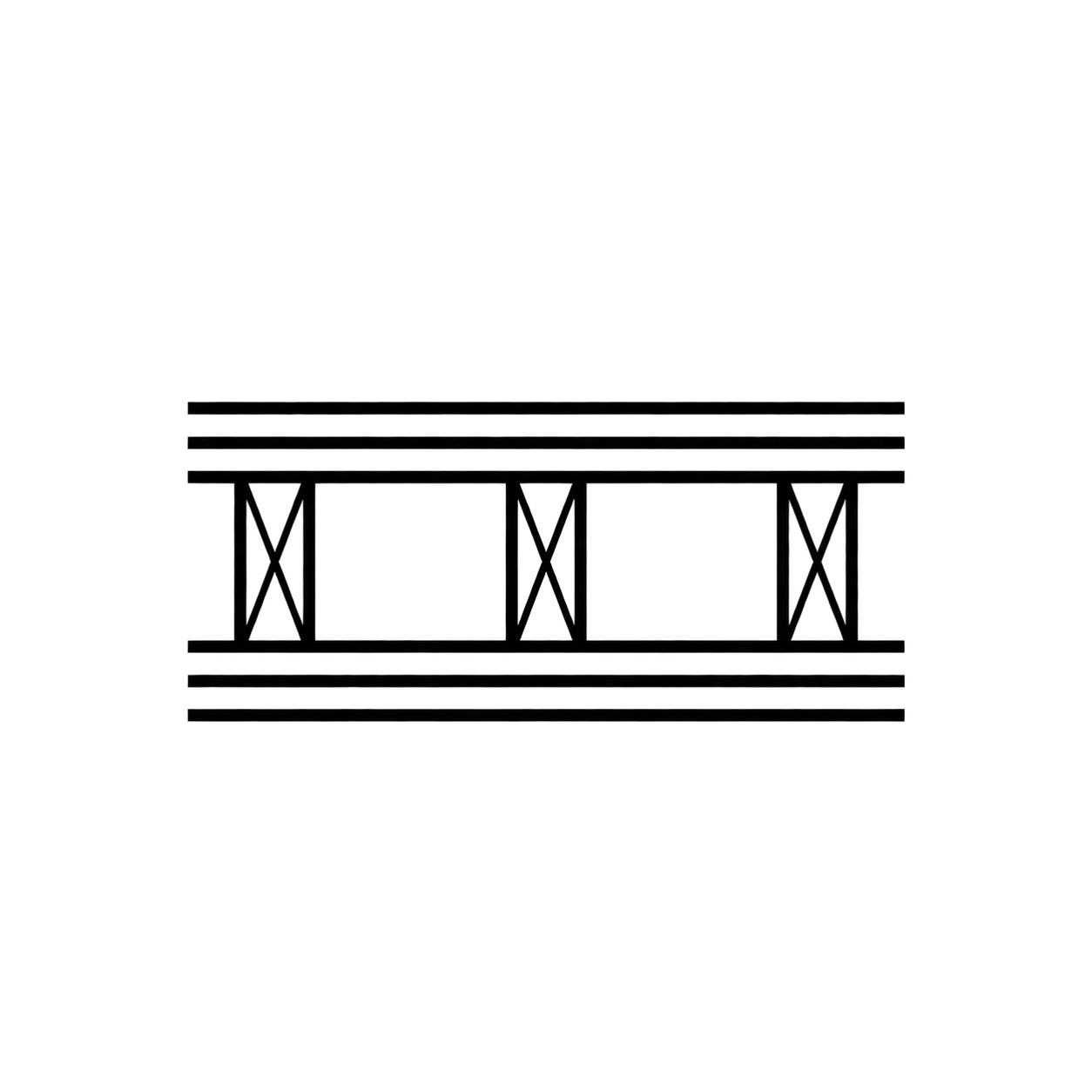
Ceiling & Floor Sound Isolation
Address airborne sound and impact noise travelling between building levels. Options range from suitable cavity retrofits to more advanced ceiling assemblies incorporating isolation clips, channels, hangers and additional gypsum layers.
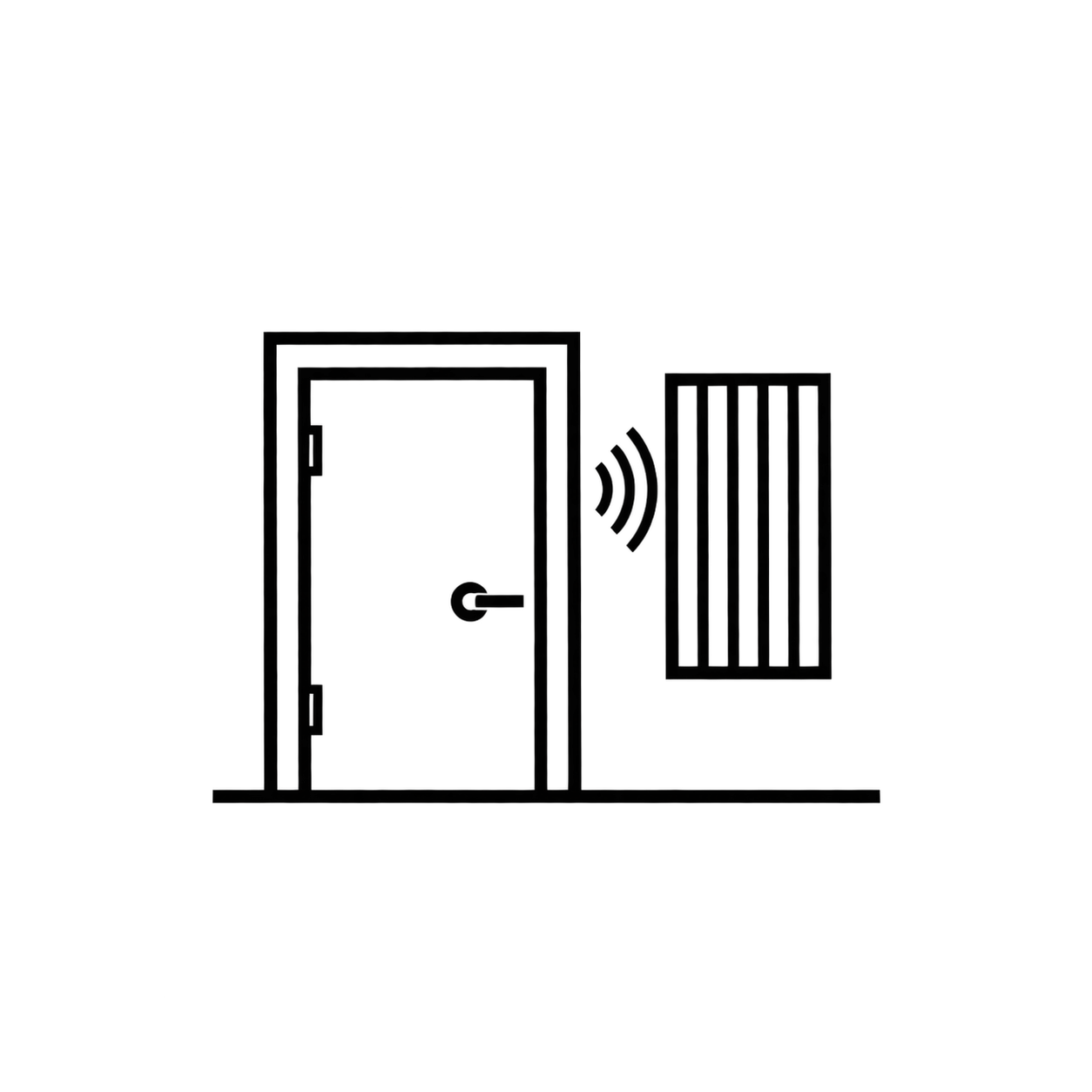
Targeted Acoustic Improvements
Depending on the project, additional measures may involve door sealing, duct sound-control details, penetration treatment or professionally selected acoustic panels. These improvements can complement wall and ceiling isolation or address specific room-acoustic concerns.

PROJECT COORDINATION
Acoustic Improvements With Building Operations in Mind
Soundproofing an occupied property requires more than selecting materials. Access, scheduling, tenant communication and restoration all influence the project’s scope. We work with property and facility management representatives to establish practical installation requirements before construction begins.
1
Review the Noise Concern
We discuss the complaint history, affected areas, suspected sound sources and available building information. Where appropriate, we review drawings, photographs or existing assembly details to better understand the conditions.
2
Assess the Construction
We evaluate relevant walls, ceilings, floors and connected sound paths to identify potential acoustic weaknesses. For complex conditions, an on-site assessment may be appropriate before recommending a construction scope.
3
Define the Recommended Work
We explain the available treatment options, anticipated access requirements, construction limitations and restoration considerations. This helps management teams understand the proposed work before seeking necessary internal approvals.
4
Coordinate Installation
Once the scope is approved, we coordinate the installation requirements with the designated property representative. Occupied areas, access restrictions and finishing requirements are addressed according to the agreed project scope.
Our objective is to deliver practical acoustic improvements with clear communication and attention to the building’s operating conditions.
SPECIALTY ACOUSTICAL CONTRACTING
Practical Soundproofing Expertise for Complex Building Conditions
Noise complaints don’t always originate where the sound is heard. A shared ceiling, adjoining wall, duct connection or mechanical opening can contribute to transmission even when another part of the building appears adequately constructed. Inaudible brings field experience in acoustic insulation, wall and ceiling isolation assemblies, soundproofing retrofits and practical acoustic assessment.

Experience With Occupied Spaces
We account for access restrictions, finished surfaces and building operations when planning soundproofing work in existing properties.
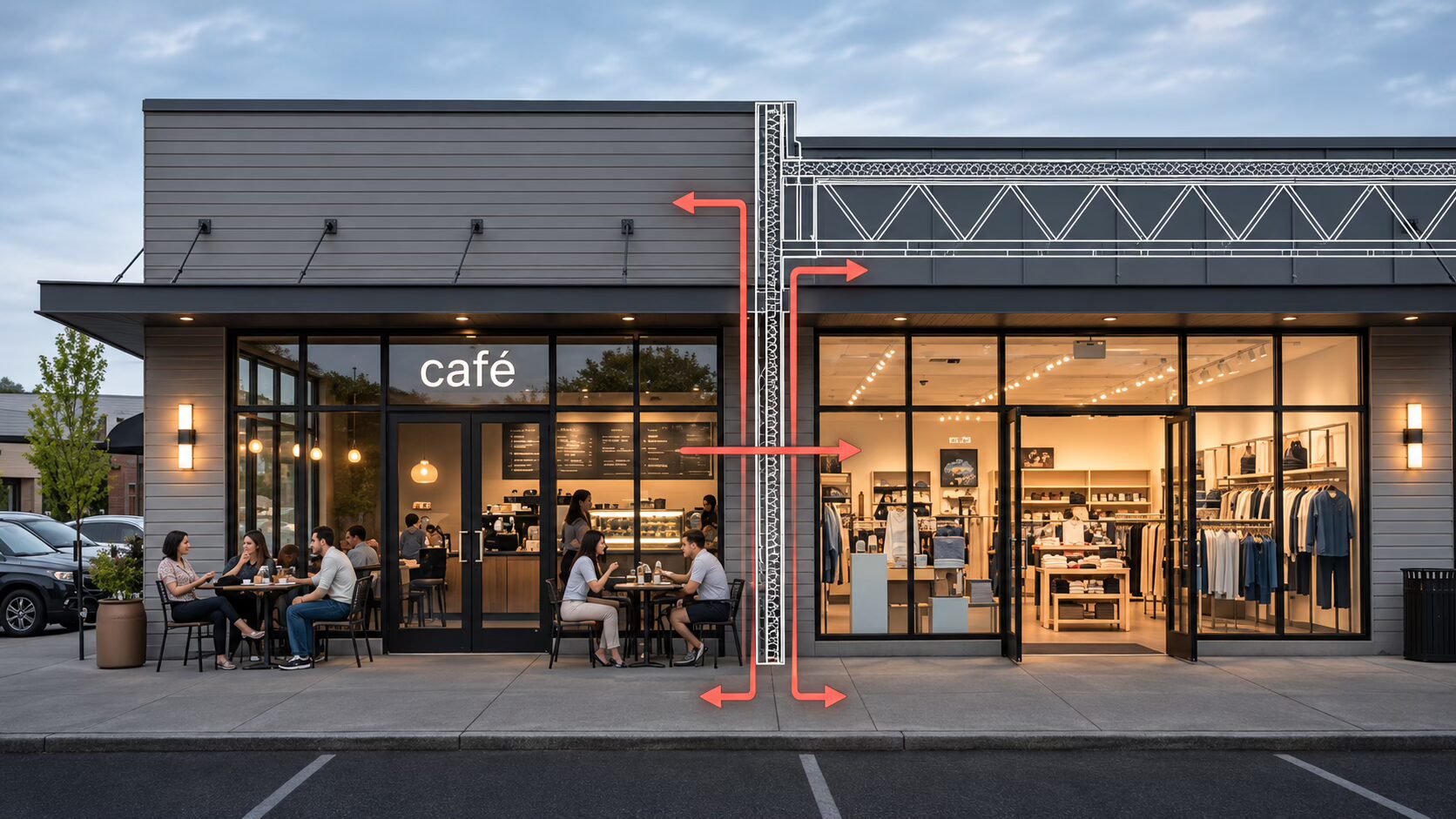
Recommendations Based on Sound Paths
We consider how noise travels through walls, ceilings, ducts and structural connections before recommending an appropriate treatment.

Contractor-Led Assessment & Installation
We provide practical acoustic consulting and specialty installation services, working alongside property representatives and other construction professionals where required.
When a noise issue requires certified acoustic testing, regulatory documentation or professional engineering, the appropriate qualified specialist should be engaged. Inaudible’s role is practical acoustic assessment and contracting—not stamped engineering certification.
Property Management Soundproofing FAQs
Find answers to common questions about investigating noise complaints and planning soundproofing work in managed buildings.
Can you soundproof an occupied apartment or condominium building?
Some soundproofing improvements can be completed in occupied buildings, depending on the required access, construction scope and areas being treated. Targeted cavity retrofits may require less demolition than full wall or ceiling reconstruction. More extensive isolation systems can require temporary access restrictions or additional coordination.
Can Inaudible help investigate recurring noise complaints?
Yes. We provide contractor-led acoustic assessments to help identify likely sound transmission paths and practical soundproofing options. Where specialized measurements, engineering reports or regulatory investigations are required, additional qualified professionals may be necessary.
Can you reduce noise between apartments without removing drywall?
In suitable enclosed wall and ceiling cavities, Dense-Fill cellulose can be installed through controlled access openings without removing entire drywall surfaces. The suitability depends on the existing construction and type of noise. Impact transmission or structural vibration may require additional isolation work.
Can you address mechanical noise in commercial buildings?
Depending on the source and transmission path, we may recommend acoustic enclosure, partition, ceiling, duct or related isolation improvements. Equipment defects, mechanical servicing and specialized vibration-control requirements may need coordination with the relevant mechanical contractor or qualified specialist.
Do you work directly with condominium property managers?
Yes. We can work with the designated property management representative to discuss reported acoustic concerns, review relevant building conditions and propose an appropriate scope. Projects involving common elements, multiple units or building systems may require additional approvals before construction.
What information should we provide before an acoustic assessment?
Useful starting information includes:
-
Building type and location
-
Affected units or spaces
-
Description of the reported noise
-
Approximate frequency or timing of complaints
-
Available photographs, drawings or construction details
-
Known access restrictions or project requirements
This helps us determine the most appropriate next step.
Do you provide certified acoustic engineering reports?
No. Inaudible provides practical acoustic consulting and acoustical contracting services.
Certified field testing, stamped engineering reports and formal regulatory studies must be completed by appropriately qualified professionals.
ADDRESS THE BUILDING NOISE PROBLEM
Let's Review the Noise Concern in Your Building
Tell us about the property, affected spaces, recurring complaints and project conditions. We’ll help identify an appropriate next step for exploring soundproofing options.